Palpitations: when should you worry?
 By Dr Moaad AGUEZNAI, interventional cardiologist
A feeling of rapid, irregular or strong heartbeats in the chest… Heart palpitations are common and often harmless. However, they can sometimes signal an underlying heart disorder. How can you tell a harmless palpitation from a worrying symptom? When should you see a cardiologist? This article helps you understand the causes of palpitations, the warning signs and the steps to take to protect your heart health.
What is a palpitation?
A palpitation is an abnormal awareness of your heartbeat. It feels as if your heart is beating too fast (tachycardia), too hard or irregularly. Palpitations can occur at rest or during exertion, last from a few seconds to several minutes, and may or may not be accompanied by other symptoms such as dizziness or chest discomfort.
Common causes of palpitations
Palpitations can have a variety of causes, which are often harmless:
- Stress and anxiety
Emotional stress and anxiety are common causes of palpitations. They stimulate the sympathetic nervous system, increasing the release of adrenaline and speeding up the heart rate.
- Stimulants
Caffeine, nicotine, alcohol and certain medicines can cause palpitations by stimulating the heart.
- Hormonal changes
Hormonal changes, particularly during pregnancy or the menopause, or in hyperthyroidism, can affect the heart rhythm.
- Intense physical activity
Sustained physical exertion can cause a temporary increase in heart rate, which may be felt as palpitations.
- Underlying medical conditions
Conditions such as anaemia, fever, dehydration or electrolyte disorders can cause palpitations.
When should you see a doctor?
You should see a cardiologist if your palpitations:
- Are frequent or prolonged.
- Are accompanied by chest pain, shortness of breath, dizziness or fainting.
- Occur during physical exertion.
- Are associated with a history of heart disease or cardiovascular risk factors.
Diagnosing palpitations
The diagnosis of palpitations is based on:
- Medical interview: description of the symptoms, their frequency, duration and triggers.
- Physical examination: measurement of pulse and blood pressure, listening to the heart.
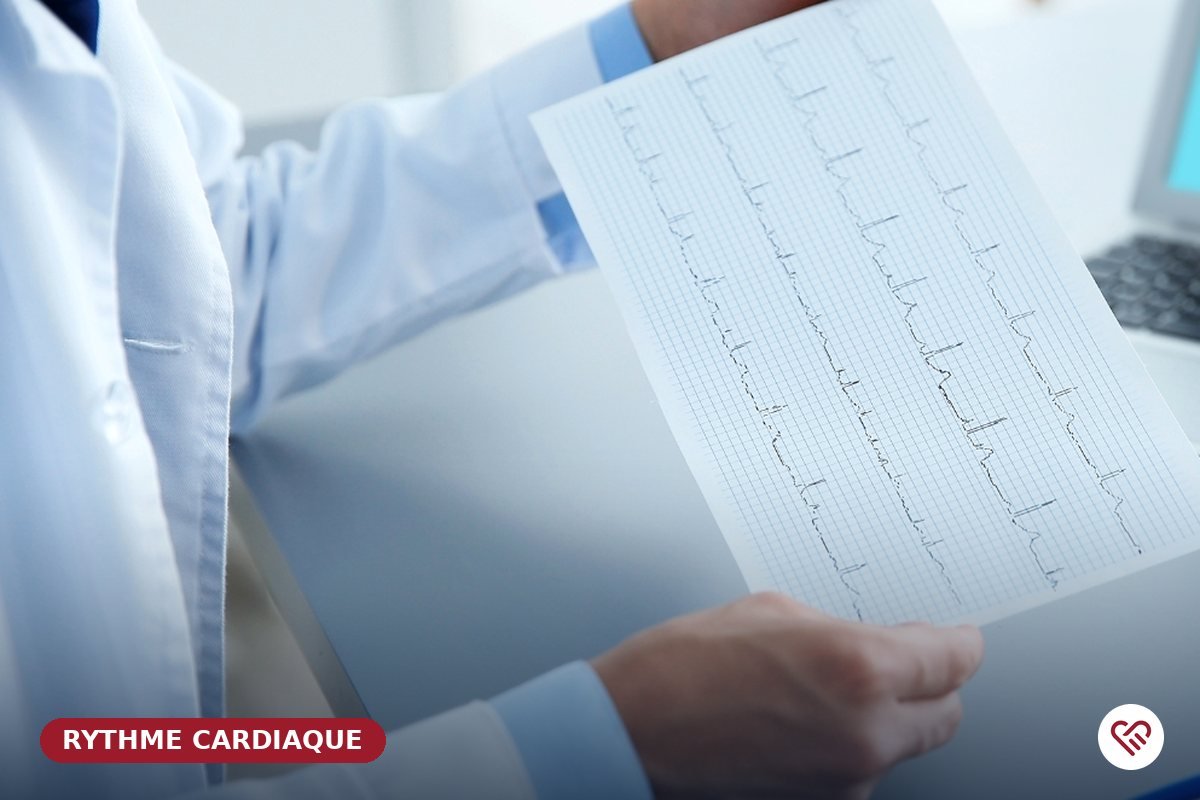
- Electrocardiogram (ECG): recording of the heart's electrical activity.
- Holter ECG: continuous recording over 24 to 48 hours to detect intermittent abnormalities.
- Echocardiography: assessment of the structure and function of the heart.
- Blood tests: looking for metabolic or hormonal disorders.
Additional tests:
Treating palpitations
Treatment depends on the cause identified:
- Lifestyle and dietary measures: reducing stress, limiting stimulants, improving sleep.
- Medication: beta-blockers, antiarrhythmics, treatment of hyperthyroidism or anaemia if necessary.
- Interventional procedures: in cases of severe rhythm disorders, radiofrequency ablation may be considered.
Preventing palpitations
To prevent palpitations:
- Eat a balanced diet.
- Avoid excess caffeine and alcohol, and avoid tobacco.
- Take regular, appropriate physical activity.
- Manage stress with relaxation or meditation techniques.
- Make sure you get good-quality sleep.
Conclusions
Heart palpitations are often harmless, but they can sometimes reveal a heart disorder that requires specific care. It is essential to pay attention to any associated symptoms and to consult a health professional if in doubt. Dr Agueznai, cardiologist in Casablanca, is available to assess your situation and offer you appropriate support.
General information article: it does not replace a medical consultation.