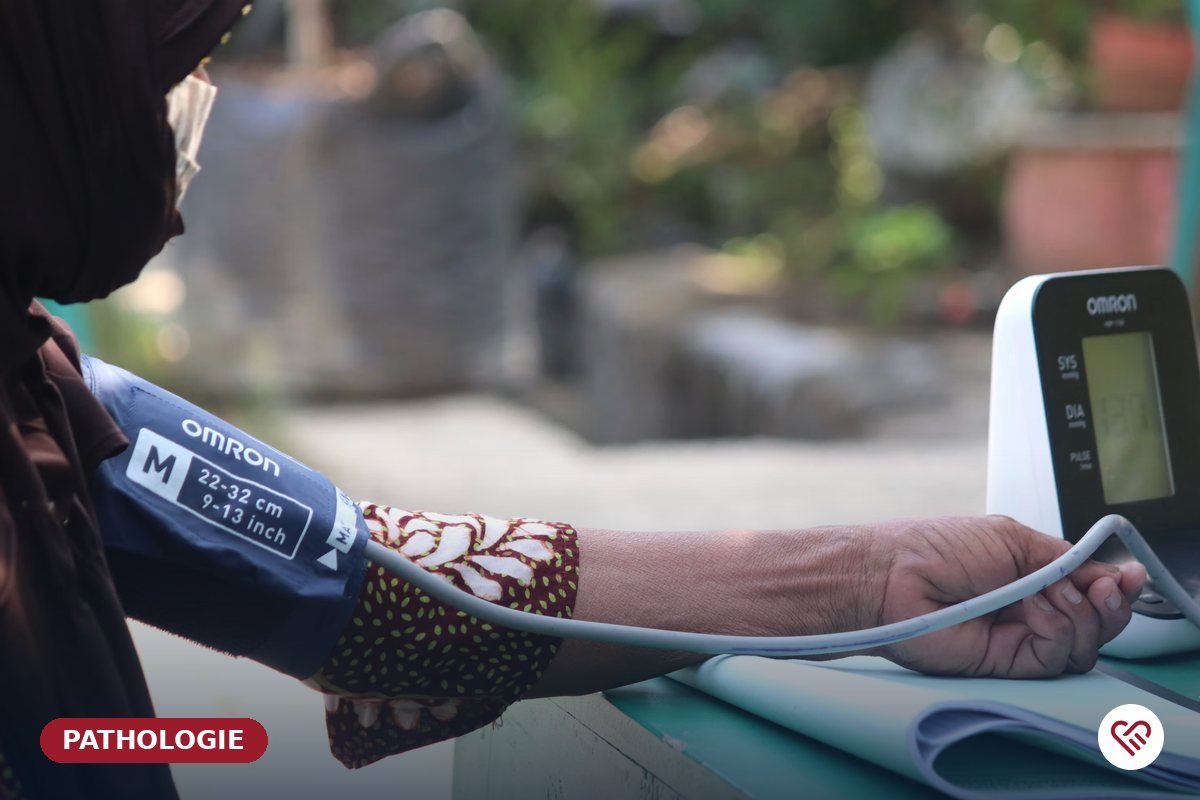
High blood pressure

High Blood Pressure — Dr Agueznai, Cardiologist in Casablanca

High blood pressure, or hypertension, is defined as an excessive rise in pressure in the arteries that persists over time. It is the most common chronic disease in the world: an estimated 1.28 billion people aged 30 to 79 worldwide have hypertension, and most of them (two thirds) live in low- and middle-income countries. An estimated 46% of adults with hypertension are unaware of it. Fewer than half of adults (42%) with hypertension are diagnosed and treated. Hypertension is under control in about 1 in 5 adults (21%). Hypertension is one of the leading causes of premature death worldwide.

Blood pressure is expressed as two figures: systolic pressure (when the heart contracts) and diastolic pressure (when it relaxes). High blood pressure (hypertension) is diagnosed when the pressure measured at the practice is repeatedly greater than or equal to 140/90 mmHg, or greater than or equal to 135/85 mmHg with home self-measurement.

High blood pressure is usually silent: it causes no symptoms for years. Yet it progressively damages the arteries and the heart, and greatly increases the risk of myocardial infarction, stroke,heart failure, atrial fibrillation and kidney failure.

  • age and family history;
  • a diet too high in salt;
  • being overweight and a sedentary lifestyle;
  • excess alcohol and smoking;
  • chronic stress, lack of sleep and sleep apnoea;
  • diabetes and certain kidney or hormonal disorders (secondary hypertension).

Diagnosis is based on repeated blood pressure measurements: at the practice, with home self-measurement (3 readings in the morning and 3 in the evening for 3 days) or with 24-hour ambulatory blood pressure monitoring (ABPM). The assessment then includes an ECG, a blood test (blood sugar, cholesterol, kidney function) and, if necessary, an echocardiogram to look for any effects on the heart.

Lifestyle measures are the foundation of treatment: reducing salt, regular physical activity, weight loss, limiting alcohol and stopping smoking. When this is not enough, medication is prescribed, often as a combination in a single tablet. The aim is to achieve a blood pressure below 140/90 mmHg, or even lower depending on the patient's profile. Treatment is generally long-term: never stop it without medical advice.

Also worth reading: High blood pressure: 5 everyday mistakes to avoid.

This information is provided for guidance only and does not replace a medical consultation.