High blood pressure: 5 everyday mistakes to avoid
 By Dr Moaad AGUEZNAI, interventional cardiologist
High blood pressure is a silent but formidable condition. Although it may seem harmless, in the long term it can lead to serious complications: heart attack, stroke, heart failure, kidney damage… The diagnosis is often made late, and even once it is known, patients' daily lives are still full of small mistakes that undermine the effectiveness of their treatment.
In this article, Dr Agueznai, interventional cardiologist in Casablanca, helps you spot the 5 most common mistakes made by people with high blood pressure – sometimes without even realising it – and gives you practical advice on how to avoid them.
Neglecting to take your treatment regularly
This is the most common mistake. Many patients stop or forget their treatment, especially when they feel well.
Yet high blood pressure usually causes no symptoms, even when it is high. The danger is therefore real, even if you do not feel any discomfort.
What to do:
- Take your treatment at the same time every day
- Never stop it without medical advice
- Tell your cardiologist about any side effects: an adjustment is often possible
Eating too much salt (often without realising it)
Salt promotes water retention and raises blood pressure. Even if you avoid the salt shaker, many everyday foods are very high in hidden salt: ready meals, cheese, industrially produced bread, processed meats, sauces…
What to do:
- Read food labels
- Cook at home as much as possible
- Replace salt with herbs, spices or lemon
Good to know: the World Health Organization recommends less than 5 g of salt per day (about one level teaspoon).
Thinking that exercise is risky
Many people with high blood pressure avoid physical activity for fear of "straining their heart". This is a misconception.
Unless there is a contraindication, regular exercise is beneficial for lowering blood pressure in the long term.
What to do:
- Do at least 30 minutes of moderate activity (brisk walking, cycling, swimming) 5 times a week
- Avoid strenuous or intense exertion without supervision
- Listen to your body: no pain, no excessive breathlessness
Tip: Moving a little every day is better than an occasional long session.
Underestimating the impact of stress
Chronic stress stimulates the release of adrenaline and cortisol, two hormones that increase heart rate and blood pressure. Even effective treatment can be undermined by constant stress.
What to do:
- Identify sources of tension (work, sleep, anxiety…)
- Take real breaks: breathe, walk, read, meditate
- Seek psychological help or emotional support if needed
Stress is not a weakness. It deserves to be heard, understood and treated.
Not monitoring your blood pressure at home
Some people only check their blood pressure at the doctor's, which can distort follow-up ("white coat" effect, or blood pressure that varies with the time of day).
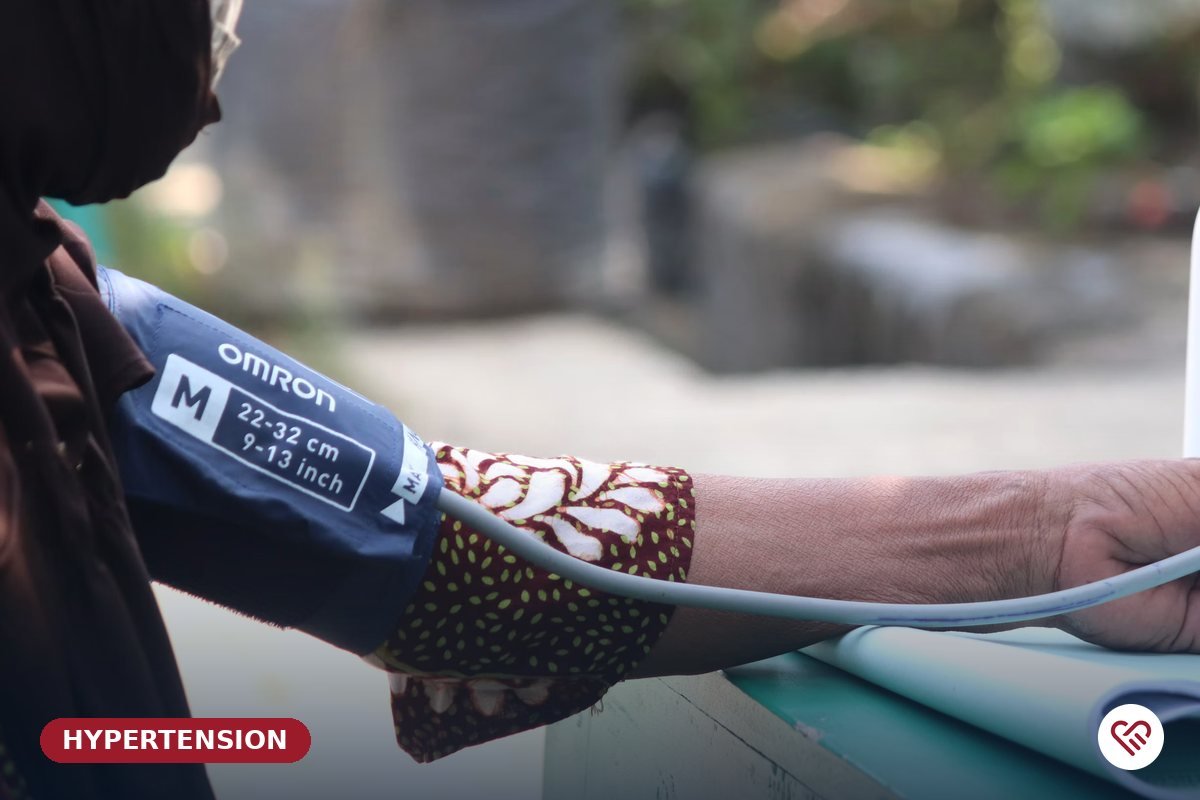
Home blood pressure monitoring is a simple, inexpensive and very useful tool for better control.
What to do:
- Use a validated blood pressure monitor (ask your doctor for advice)
- Take your blood pressure morning and evening for 3 days (the rule of 3)
- Write down the readings, and do not panic over a single high reading
Conclusion
High blood pressure is a condition that can be well controlled… as long as it is not taken lightly.
These everyday mistakes, which are so common, can in the long term reduce the effectiveness of treatment or speed up the onset of complications.
By seeing your cardiologist regularly, following your treatment and adjusting a few habits, you give yourself every chance of living with peace of mind and well-controlled blood pressure.
Need cardiology follow-up in Casablanca?
Dr Agueznai sees patients at the practice by appointment for comprehensive, personalised care of your cardiovascular health.
General information article: it does not replace a medical consultation.