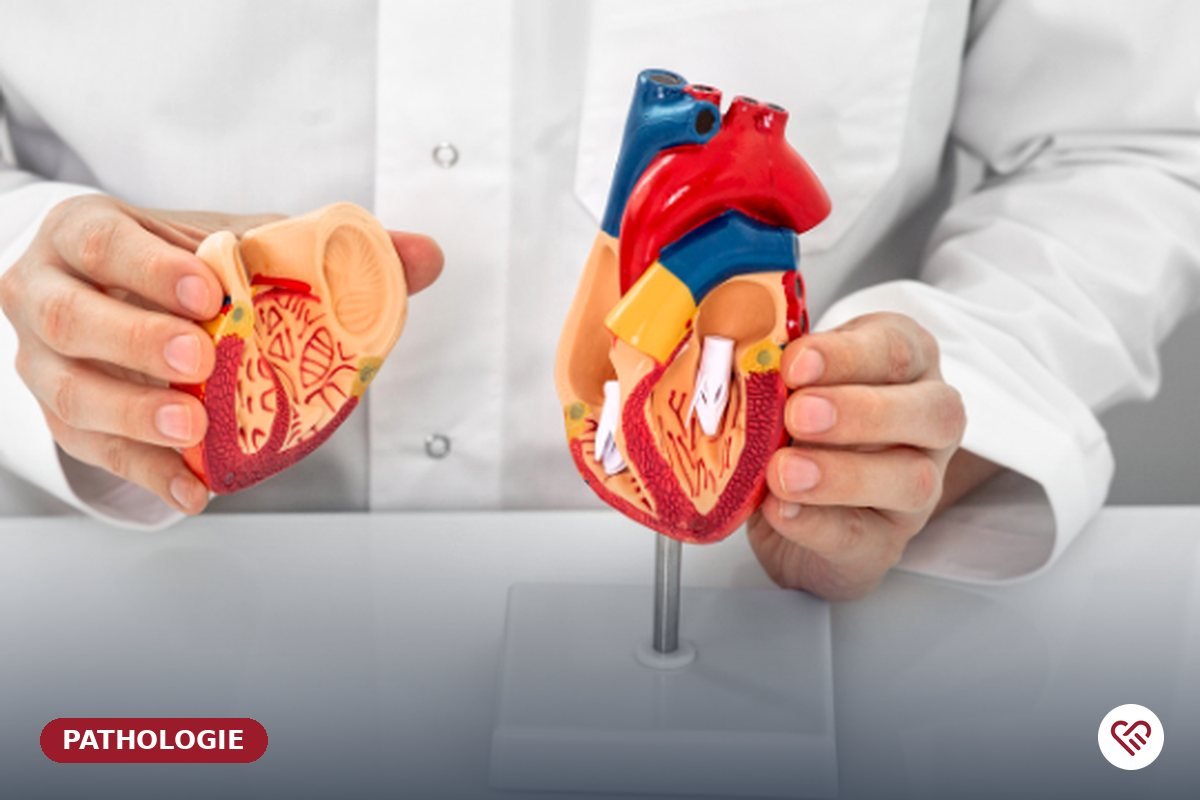
Angina pectoris

Angina Pectoris — Dr Agueznai, Cardiologist in Casablanca

Angina pectoris is defined as a temporary disruption of the blood supply that nourishes the heart. It shows itself as pain in the chest. In angina, the heart does not receive enough blood to do its work. Most angina attacks occur when the heart has to work harder, for example during physical activity. However, some attacks can occur at rest. Angina pectoris, also simply called angina, must be taken very seriously, as it is a condition that can progress to a genuine heart attack (myocardial infarction).

What are the causes and risk factors of angina pectoris?

Angina pectoris occurs when blood flow through the coronary arteries is temporarily interrupted. This interruption may be due to an artery being obstructed by an atheromatous plaque, but it can also be caused by a blood clot or a spasm of the artery. In the vast majority of cases, therefore, angina is linked to coronary artery disease. It may also be associated with high blood pressure, aortic stenosis or cardiac hypertrophy (for example, thickening of the ventricular walls).

Pain, a burning sensation, tightness? The main characteristic of angina pectoris is that it is relieved within a few minutes by taking glyceryl trinitrate (nitroglycerin). The pain is felt in the chest and is associated with a burning, squeezing or tight feeling in the chest. This chest pain may be accompanied by a feeling of being unwell, excessive sweating, pain radiating from the jaw to the left arm, or nausea. Two types of angina are generally distinguished: stable angina and unstable angina. In stable angina, an attack usually lasts 3 to 5 minutes and is triggered by physical exertion, extreme weather conditions or a very strong emotion. In unstable angina, the pain comes on at rest and the attack can last around twenty minutes. It should be noted that in some people, particularly women, these symptoms are not necessarily pronounced and may be different (night sweats, digestive problems, dizziness, neck pain or fatigue). In some cases, an angina attack may cause no symptoms at all, even though myocardial ischaemia is indeed present.

Diagnosis combines blood tests, medical imaging and more specific cardiac investigations. The doctor will first look for signs associated with atherosclerosis, such as peripheral arterial disease in the legs. An electrocardiogram and an echocardiogram will be performed to check whether the heart muscle has been damaged. A Holter monitor (continuous electrocardiogram recording) is sometimes used, particularly to detect silent episodes of ischaemia. An exercise stress test may complete the diagnosis. A coronary angiography may also be performed. Imaging tests such as myocardial perfusion scintigraphy, a CT scan or an MRI (Magnetic Resonance Imaging) may also be carried out. A stable angina attack generally subsides after taking glyceryl trinitrate, which is also an important diagnostic clue.

Treatment will depend on the cause of the angina. The aim is to restore blood flow to the heart and to reduce its workload. Glyceryl trinitrate or other nitrate-based medicines are generally used to dilate the coronary arteries. This treatment may be supplemented by calcium channel blockers (medicines that lower blood pressure) or beta-blockers (medicines that slow the heart rate and lower blood pressure). An antiplatelet agent combined with cholesterol-lowering medication (statins) may also be prescribed to prevent the formation of atheromatous plaques. For some patients, these medicines alone are enough to treat the condition effectively. For others, however, a procedure may be required (coronary artery bypass grafting or angioplasty). A cardiac rehabilitation programme can also complement these medical and surgical treatments. In the case of a chronic condition (high blood pressure, diabetes, metabolic syndrome, etc.), regular follow-up is essential to avoid any risk of complications.

This information is provided for guidance only and does not replace a medical consultation.