Valvular heart disease
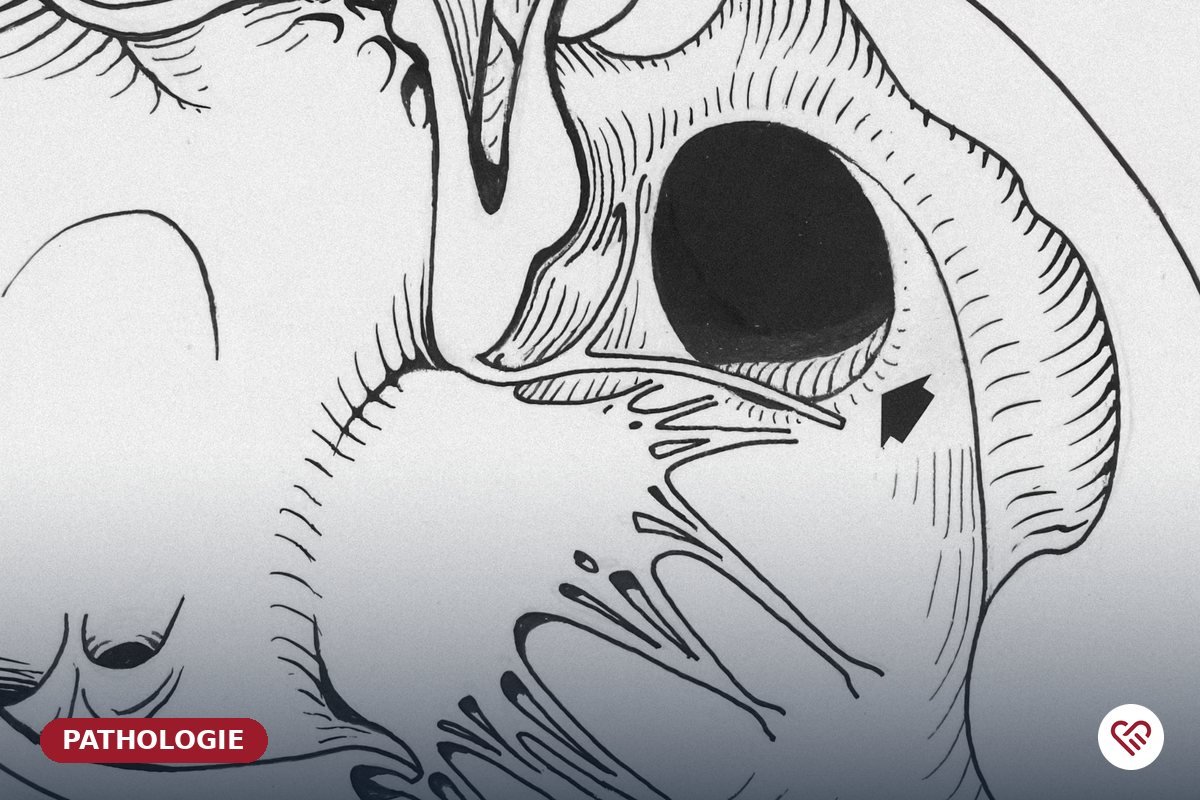
Valvular heart disease occurs when one or more heart valves do not work properly. Normally, the heart valves help control the flow of blood through the chambers of the heart. In valvular disease, a valve may not close properly or may not open fully. These defects affect blood flow and can force the heart to work harder with each beat.
What is valvular heart disease?
The heart has four valves, each located at the outlet of one of the heart's chambers. Once the heartbeat has pushed blood into the chambers, the valves close to prevent blood from flowing backwards in the heart. Sometimes a valve does not open properly; this is known as valve stenosis. Stenosis (narrowing) can occur if the valve opening is too small or if the parts that open (called "leaflets") become too stiff or stick together. With valve stenosis, the heart has to work harder to maintain normal blood flow through the body. When the valve does not close completely, this abnormality is called "valve regurgitation" (or valve insufficiency). Sometimes the valve bulges back into the previous heart chamber (a phenomenon called "valve prolapse"). If a valve does not close completely, blood flows back into the previous chamber of the heart. Like valve stenosis, valve regurgitation forces the heart to work harder. If left untreated, valvular heart disease can lead to other heart problems: arrhythmia, stroke, pulmonary hypertension and heart failure.
What are the causes?
Valvular heart disease is sometimes congenital, meaning that the person was born with the condition. In some cases, it results from normal wear and tear of the heart valves, which open and close hundreds of thousands of times a day. Other heart diseases or disorders can contribute to valvular disease by scarring the heart tissue or causing it to thicken, such as coronary artery disease, high blood pressure, a previous heart attack or cardiomyopathy. Certain infections can also cause valvular disease by scarring or damaging the valve leaflets. Rheumatic fever, a condition that was widespread before antibiotics came into large-scale use, and endocarditis, an infection of the inner lining of the heart, are two examples. Once the valves have been damaged by endocarditis, they are more prone to repeated infections.
What are the symptoms?
Valvular heart disease sometimes causes no symptoms at all. Only a heart murmur, heard with a stethoscope, may reveal its presence. Symptoms of valvular disease include: shortness of breath, especially during physical exercise or when lying down; dizziness or fainting; pain or pressure in the chest; palpitations (rapid heartbeat); weakness or fatigue; swelling of the feet, ankles or abdomen. Many of these symptoms can be mistaken for the effects of ageing or physical inactivity, or for the symptoms of other less serious conditions or diseases affecting the heart or lungs. The severity of the symptoms is not necessarily proportional to the severity of the disease. Some people with mild symptoms will need immediate treatment to prevent further damage to the heart.
How is it diagnosed?
The following common tests can lead to a diagnosis of valvular heart disease: echocardiography, to assess the anatomy, valve function and blood flow in the heart; electrocardiography, to detect heart rhythm problems; a chest X-ray, to see the size and shape of the heart; cardiac catheterisation, to detect blocked or narrowed vessels; an exercise stress test, to assess heart function when the heart has to work harder than usual; magnetic resonance imaging (MRI), to obtain detailed images of the heart chambers and blood vessels.
What are the treatments?
In most cases, the symptoms of valvular heart disease can be managed with medication, but eventually surgery may be needed to repair or replace the damaged valves. There are many treatment options for the various types of valvular disease. Only a qualified specialist can determine the right solution for each case. Medication A wide range of medicines is available to relieve the symptoms of valvular disease. Some of them aim to: lower blood pressure (angiotensin receptor blockers or ACE inhibitors); slow the heart rate (beta-blockers); maintain a normal heart rhythm (antiarrhythmic medicines); dilate (open) the blood vessels; prevent blood clots from forming (anticoagulants); remove excess fluid from the body (diuretics). Surgery Valve surgery may become necessary to repair or replace a faulty valve which, if left as it is, could damage other parts of the heart. Repair, where feasible, is preferable to replacement because the repaired valve will be more durable than a replacement valve. Catheter-based procedures These procedures are less invasive and are a valuable option for patients who cannot undergo surgery. MitraClip: in this procedure, a clip is attached to the leaflets of the mitral valve to hold them firmly together and allow them to open and close normally. Transcatheter aortic valve implantation (TAVI): in this procedure, a replacement valve is inserted by catheter and implanted inside the existing aortic valve. Lifestyle changes Everyone with valvular heart disease would benefit from reducing their salt intake to help lower blood pressure, and from reducing their intake of fat and cholesterol. In overweight patients, weight loss can help relieve some symptoms of valvular disease by reducing the strain on the heart. Patients with any form of heart disease must stop smoking. Stop-smoking medicines are available for patients who find it difficult to quit.
This information is provided for guidance only and does not replace a medical consultation.