Sugar: sweet on the palate, hard on the heart
 By Dr Moaad AGUEZNAI, interventional cardiologist
Sugar is everywhere: in drinks and pastries, but also in many processed products where you would not expect it. While a little sweetness is part of the pleasure of eating, too much added sugar takes a heavy toll on heart health. Dr Agueznai explains why, and how to cut down without feeling deprived.
Sugar and the heart: what is the link?
A high intake of added sugars promotes weight gain, particularly abdominal fat, raised triglycerides, lower "good" cholesterol (HDL), higher blood pressure and chronic inflammation of the arteries. All of these factors accelerate atherosclerosis, the clogging of the arteries that causes angina pectoris and myocardial infarction.
Diabetes: an accelerator of cardiovascular risk
In the long term, excess sugar and weight promote the onset of type 2 diabetes. A person with diabetes has a cardiovascular risk two to four times higher than a person without diabetes. In Morocco, diabetes affects a significant proportion of the adult population, often without their knowing it: regular screening is essential, especially if you are overweight or have a family history.
Hidden sugars
Sugar is not just the lump in your tea. It is found in large quantities in:
- sodas, industrially produced fruit juices and "energy" drinks;
- very sweet tea and coffee, drunk several times a day;
- biscuits, pastries, breakfast cereals and cakes;
- sauces, ready meals and flavoured yoghurts.
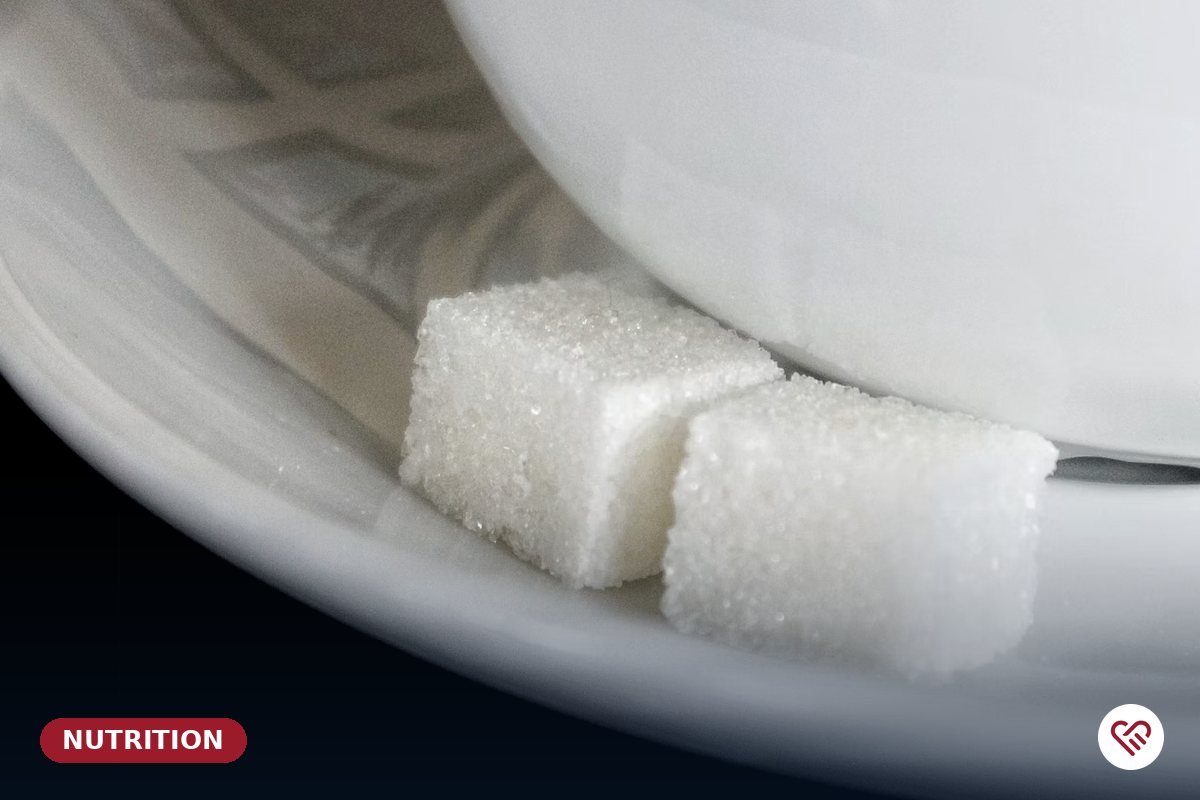
The World Health Organization recommends limiting added sugars to less than 10% of energy intake, ideally less than 5%, i.e. about 25 g (6 sugar lumps) a day for an adult.
The right everyday habits
- Gradually reduce the sugar in your tea and coffee: your taste adapts within a few weeks;
- choose water and avoid sugary drinks;
- prefer whole fruit to juice;
- read labels: sugar, glucose syrup, fructose and dextrose are all added sugars;
- keep pastries for special occasions;
- combine these measures with regular physical activity (30 minutes of walking a day).
When should you see a doctor?
If you have diabetes, are overweight, have high blood pressure, smoke or have a family history of cardiovascular disease, a cardiac assessment can evaluate your risk and put appropriate prevention in place. Do not hesitate to book an appointment at the practice.
General information article: it does not replace a medical consultation.